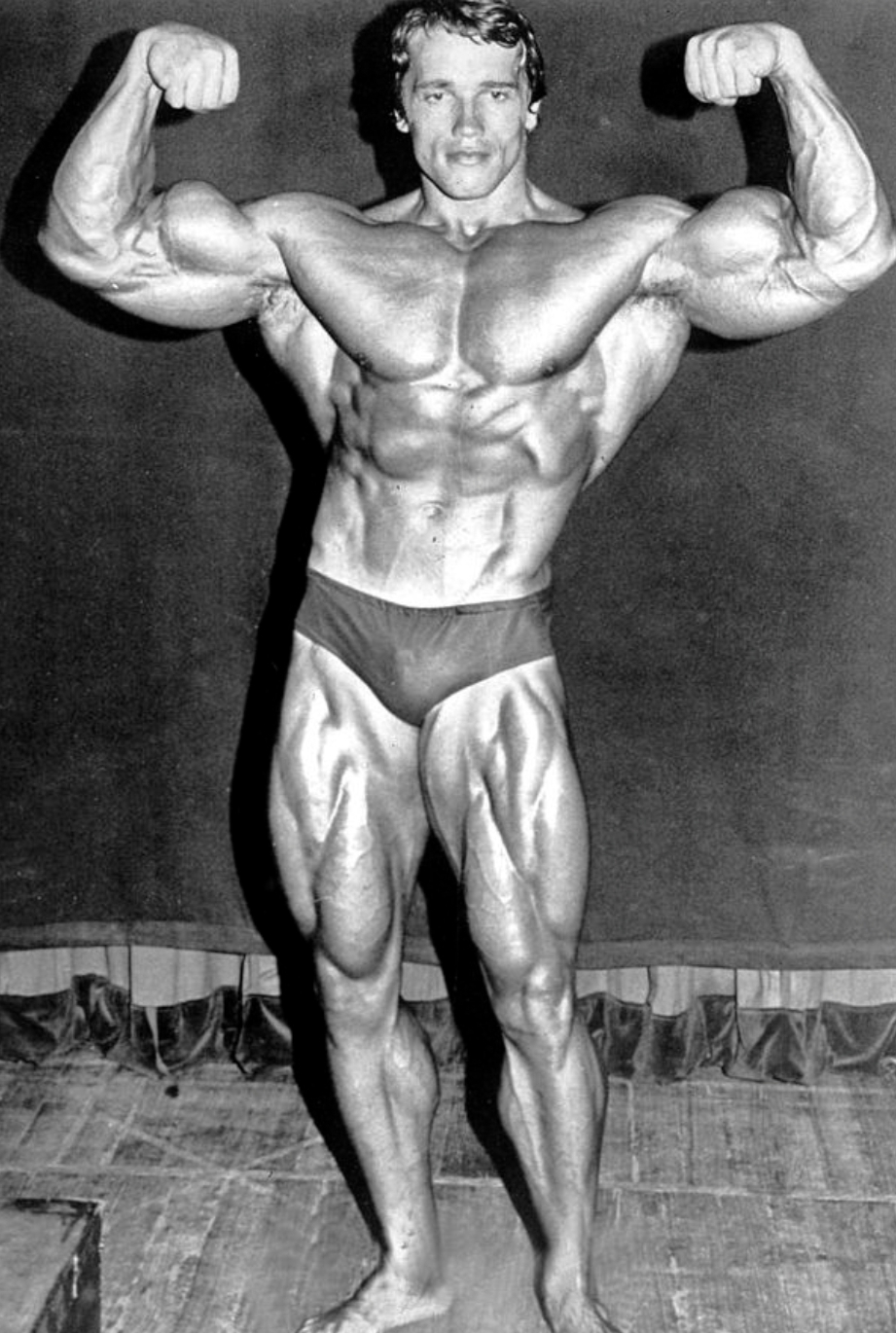
There are some general principles that can help support power development:
Eat enough calories: Power athletes require more calories than sedentary individuals, so it’s important to consume enough calories to support training and recovery. This can vary depending on body weight, training volume, and other factors, but a general guideline is to consume around 500 calories more than your maintenance level.
Consume adequate protein: Protein is essential for muscle repair and growth, which is important for power development. Aim for around 1.6-2.2 grams of protein per kilogram of body weight per day.
Include healthy fats: Fat is important for hormone production and overall health. Include healthy fats such as nuts, seeds, avocado, and olive oil in your diet.
Eat carbohydrates: Carbohydrates provide energy for high-intensity exercise, so they are important for power development. Aim for complex carbohydrates such as whole grains, fruits, and vegetables.
Stay hydrated: Proper hydration is essential for optimal power output. Aim to drink at least 8-10 cups of water per day, and more if you are sweating heavily during exercise.
Consider nutrient timing: Consuming protein and carbohydrates before and after exercise can help support muscle recovery and growth. Aim to consume a balanced meal or snack containing protein and carbohydrates within 30 minutes to an hour after exercise.
Remember that individual dietary needs can vary depending on factors such as age, gender, and specific training goals. Consult with a registered dietitian or sports nutritionist to develop a personalized nutrition plan that supports your power development goals.


Leave a Reply