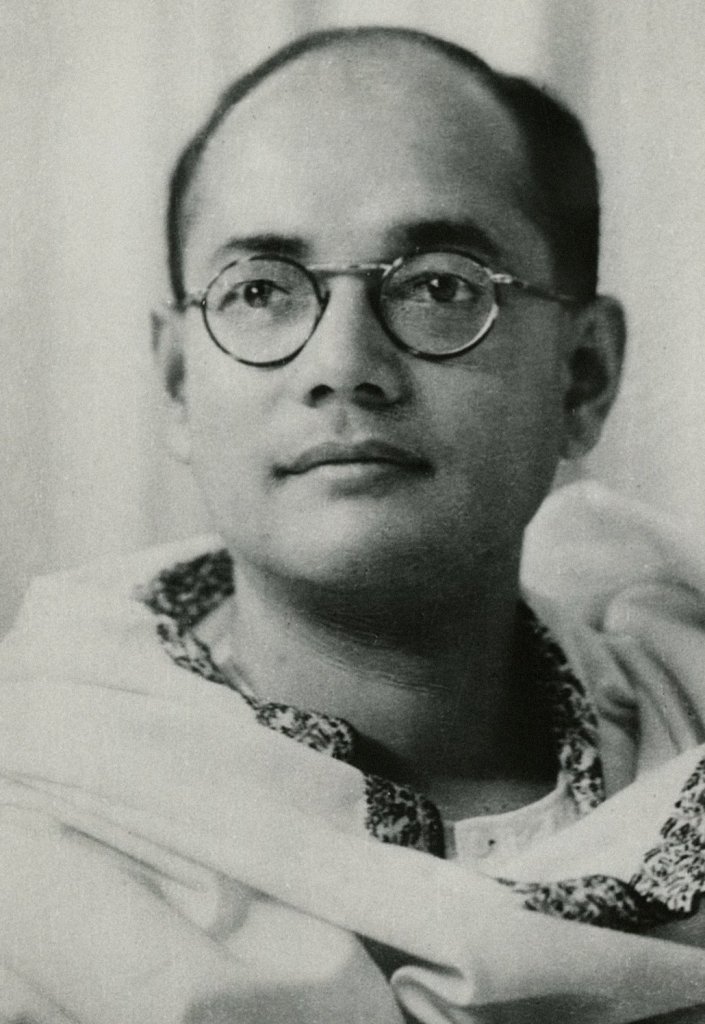
In the annals of history, there are individuals who rise above adversity, charting their paths with unwavering determination and an unyielding spirit. Such is the story of Subhas Chandra Bose, a name that resonates with courage, leadership, and unwavering patriotism. His life, filled with inspiring moments and unparalleled dedication, continues to ignite the flame of resilience and the pursuit of freedom in the hearts of millions.
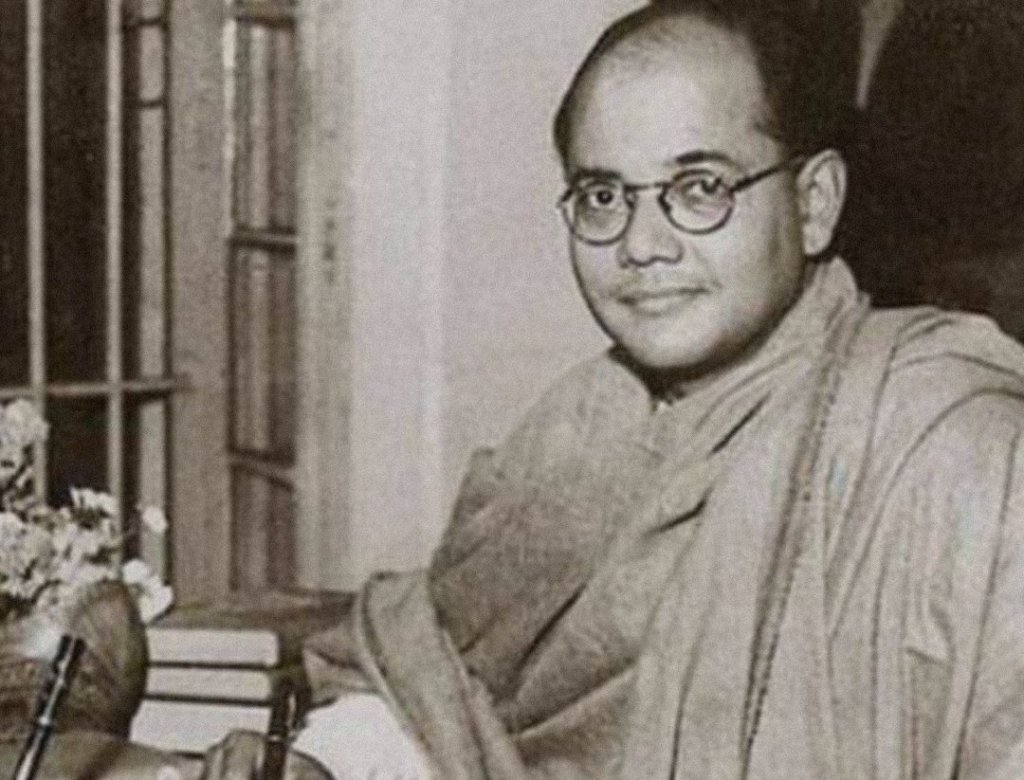
Subhas Chandra Bose was born on January 23, 1897, in Cuttack, Odisha, India, during a time when the Indian subcontinent was under British colonial rule. From a young age, Bose displayed exceptional intellect and an insatiable thirst for knowledge, setting the stage for his remarkable journey ahead.
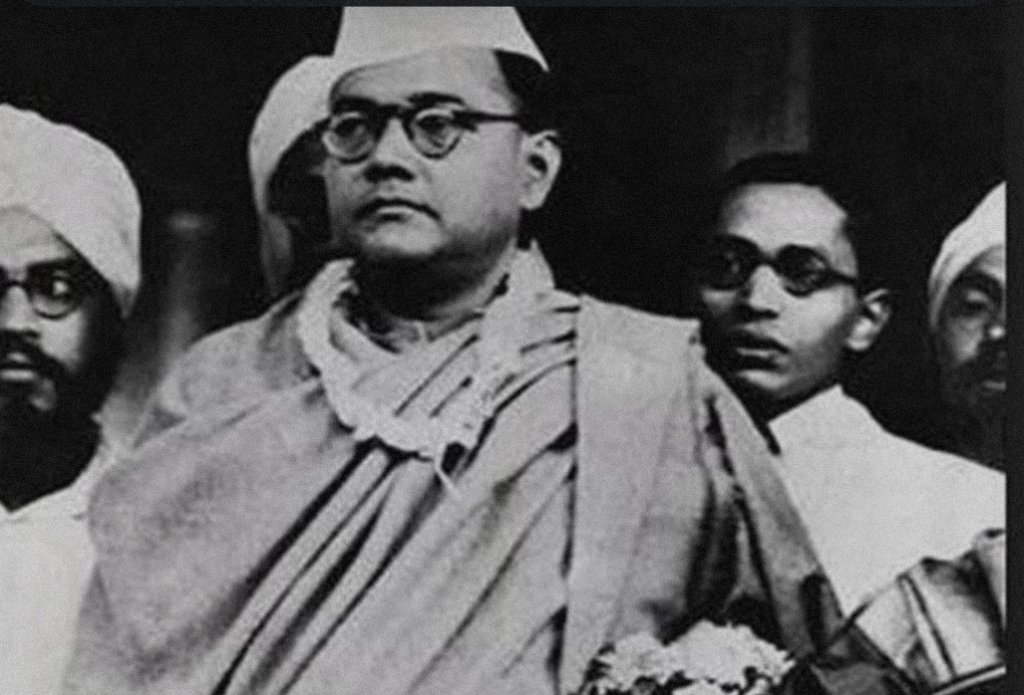
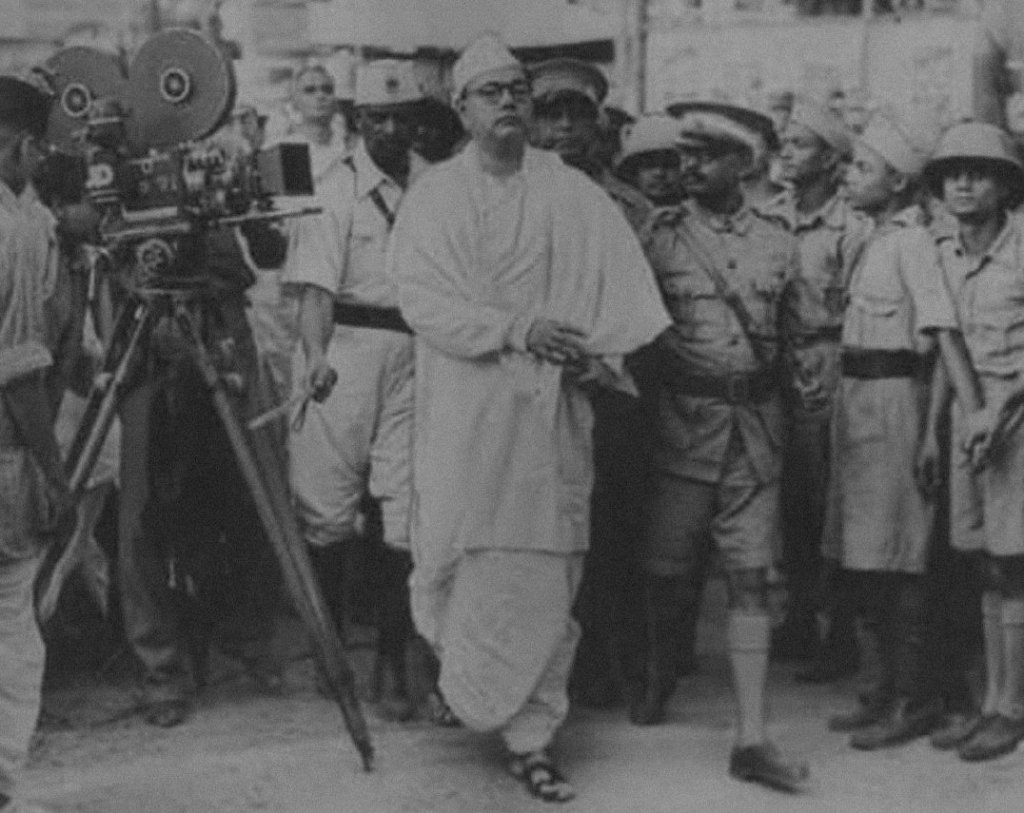
During his formative years, Bose imbibed the teachings of great leaders like Swami Vivekananda, Mahatma Gandhi, and Rabindranath Tagore, who instilled within him a sense of national pride and the fervent belief that India’s destiny lay in her own hands. Driven by an unshakeable desire to free his motherland from the clutches of foreign rule, Bose dedicated his life to the cause of Indian independence.
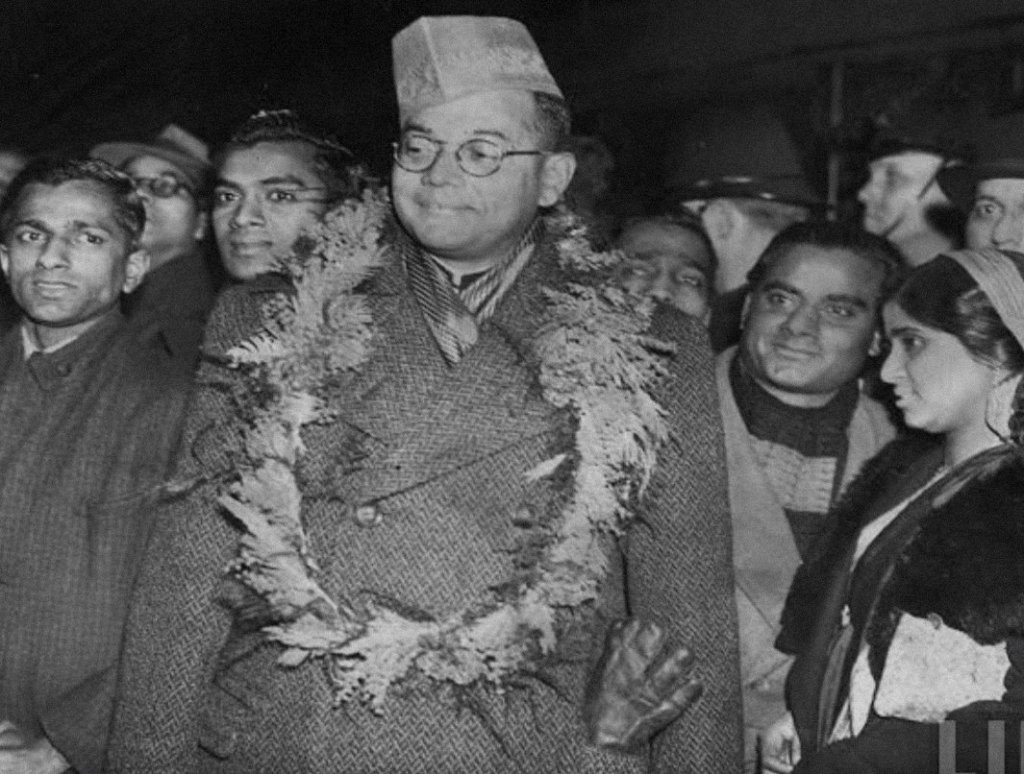
Bose’s path to freedom was fraught with challenges and sacrifices. He pursued his education in England, where he qualified for the Indian Civil Services. However, rather than joining the prestigious administrative ranks, he chose to plunge into the fiery crucible of the freedom struggle. Bose joined the Indian National Congress and became a key proponent of the nonviolent civil disobedience movement led by Mahatma Gandhi.
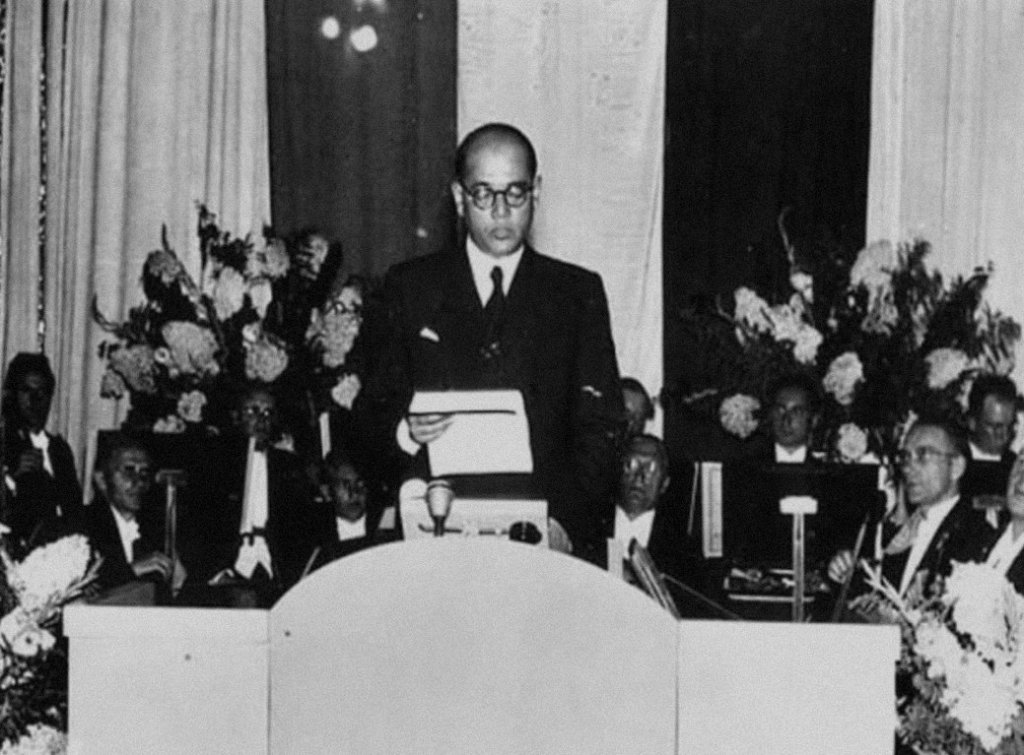
But Bose’s unwavering spirit and audacity led him down a different path. He realized that achieving independence required a more assertive approach, one that could match the might of the British Empire. In 1939, he famously remarked, “Give me blood, and I shall give you freedom,” a clarion call that would define his legacy.
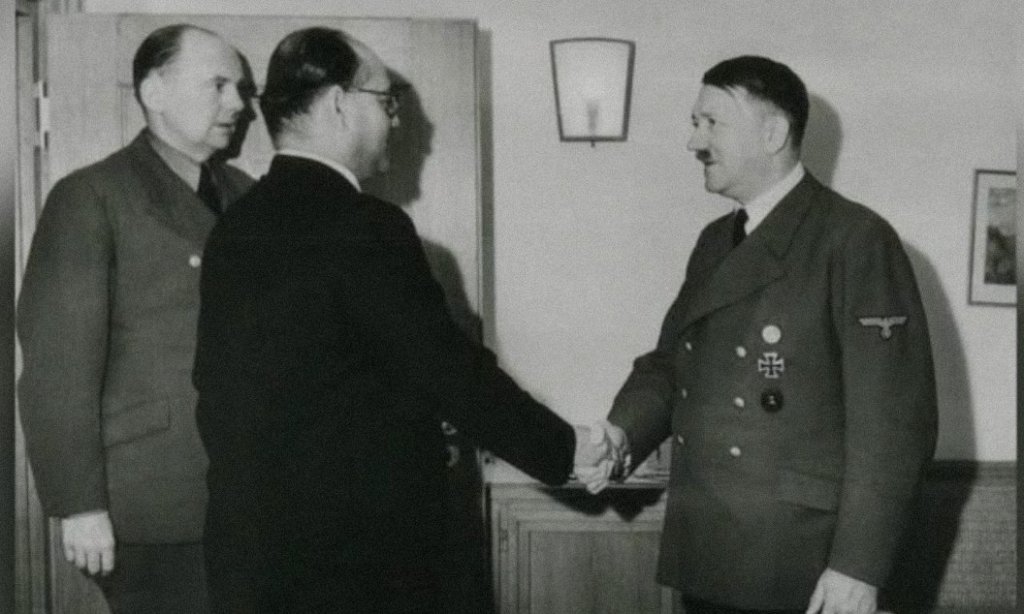
Resigning from the presidency of the Indian National Congress, Bose formed the Forward Bloc, a radical faction committed to attaining freedom through any means necessary. In search of allies, he embarked on an arduous journey across Europe, finally finding solace and support in Nazi Germany and later Imperial Japan.
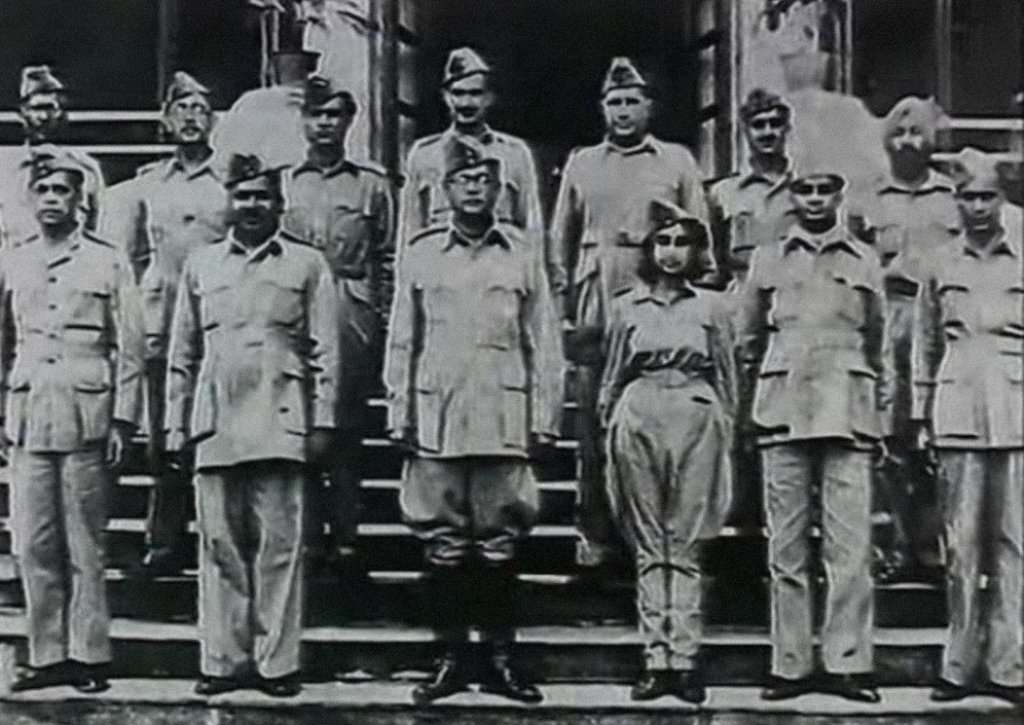
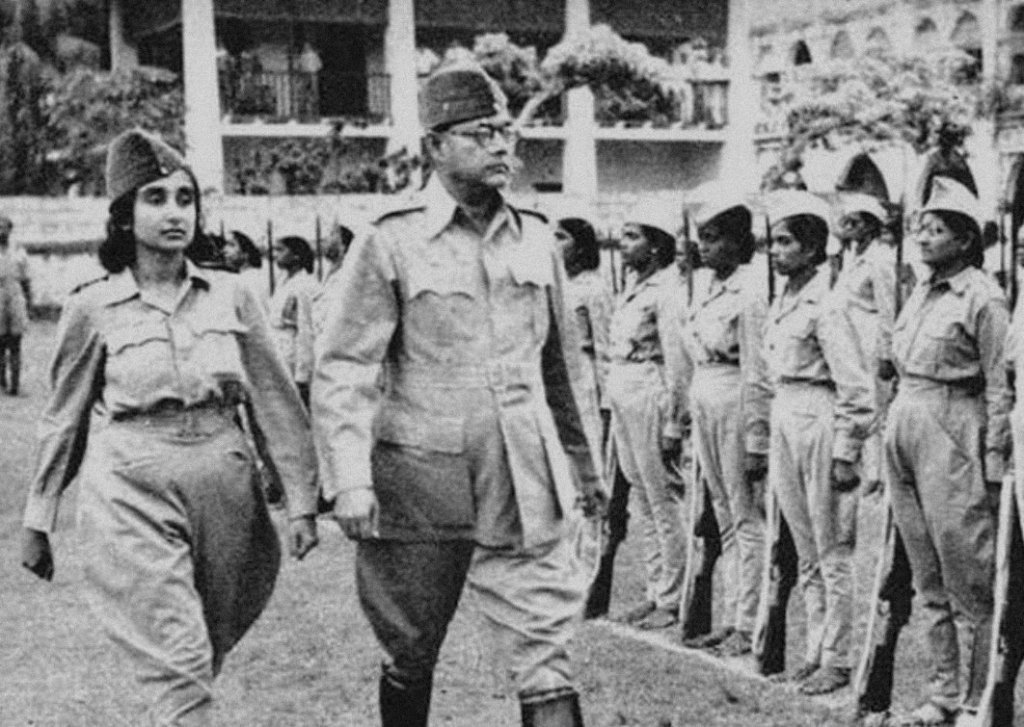
In 1943, Bose established the Indian National Army (INA) with the help of Japanese authorities, and it soon became an embodiment of his unwavering determination. The INA’s soldiers, known as the “Azad Hind Fauj,” fought valiantly against the British forces in Burma and the Northeastern regions of India. Bose, with his undying resolve, traversed treacherous terrains, rallying the masses and igniting hope in the hearts of his fellow countrymen.
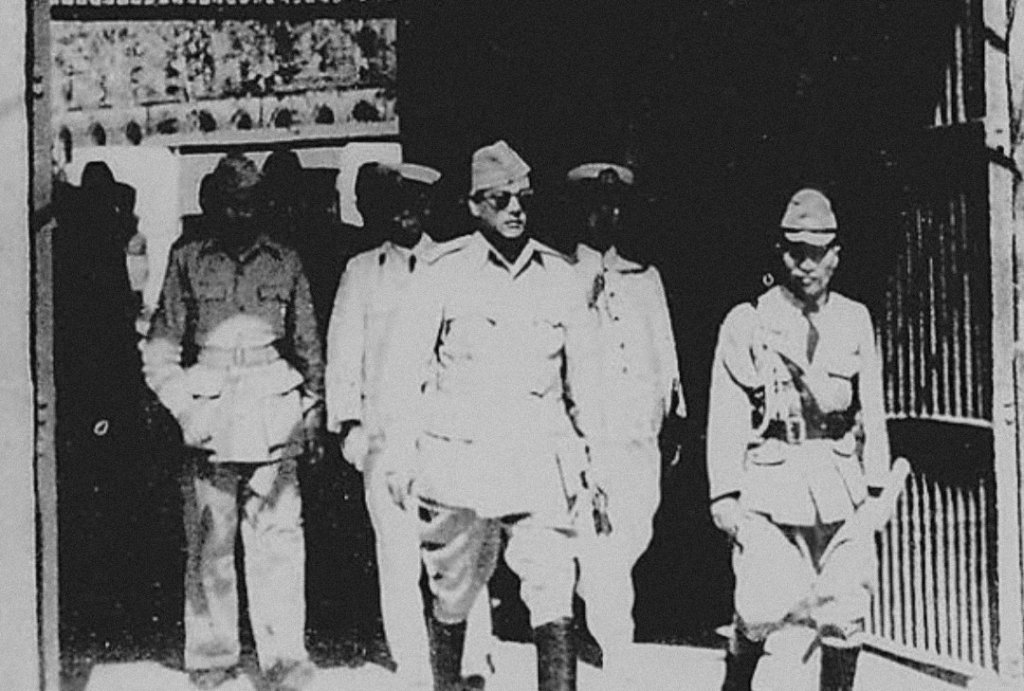
However, Bose’s mission for independence was tragically cut short. In a fateful turn of events, he perished in a plane crash on August 18, 1945, under mysterious circumstances. While his physical presence may have been lost, his indomitable spirit lives on, a beacon of inspiration for generations to come.
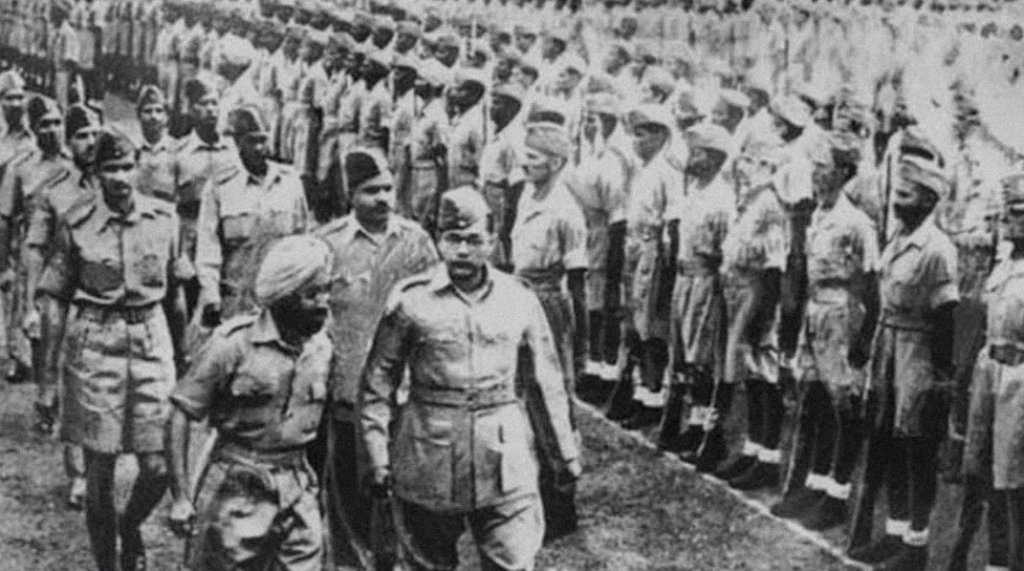
Subhas Chandra Bose’s unwavering pursuit of freedom and his unwavering belief in the indomitable spirit of his countrymen have left an indelible mark on India’s struggle for independence. His story serves as a testament to the power of determination, resilience, and sacrifice in the face of seemingly insurmountable odds.
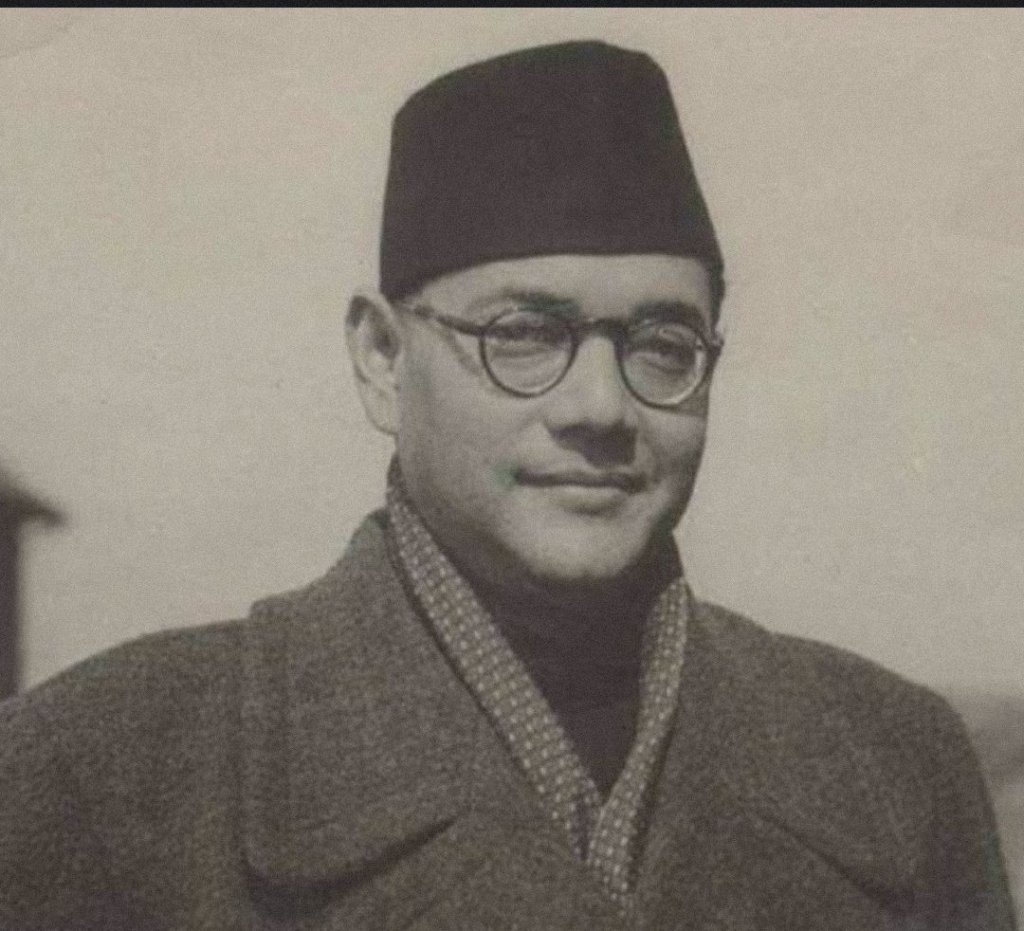
Today, Subhas Chandra Bose’s legacy continues to inspire leaders, revolutionaries, and ordinary individuals alike. His name is etched in the annals of history as a symbol of unwavering patriotism, a true son of India who dared to dream, dared to challenge, and dared to fight for the freedom of his beloved nation.


Leave a Reply